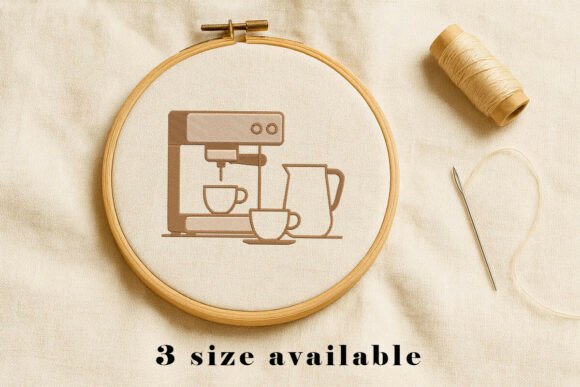
Coffee Machine Embroidery Design File
First Impression: Minimal, Modern, and Instantly Relatable
As an embroidery designer who’s prepped over 200 craft fair booths—and watched thousands of shoppers pause at a single stitch—I’ll say this upfront: Coffee Machine Embroidery Design File lands with quiet confidence. It’s not loud or cartoonish. It’s not rustic or vintage. It’s minimalist modern—clean lines, intentional negative space, and just enough detail to read as “espresso bar,” not “generic kitchen appliance.” That’s gold for handmade markets. Shoppers scanning a crowded table don’t stop for clutter; they stop for clarity. This design delivers that in under two seconds.
Where It Shines: Real Craft Fair Product Pairings
This isn’t a one-product design—it’s a booth-builder. Here’s where Coffee Machine Embroidery Design File earns its spot front-and-center:
- Tote bag design: Centered on a natural canvas tote, it reads as elevated, intentional, and café-ready—ideal for customers buying gifts or self-treats.
- Apron embroidery: Placed just above the pocket (not too high, not too low), it adds professional charm without competing with pockets or straps.
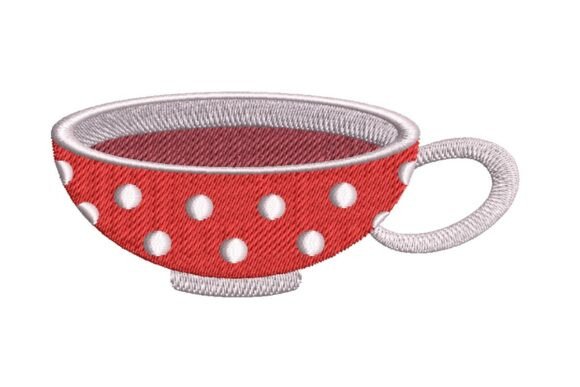
- Tea towel embroidery: Yes—even though it’s a coffee motif, it performs beautifully on linen-cotton tea towels. The minimalist shape holds up against texture, and the milk jug + cups create gentle visual rhythm.
- Embroidered patch: At 3–4 inches wide, it’s crisp, recognizable, and perfect for iron-on or sew-on application on denim jackets, market bags, or caps.
- Fabric pouch & pillow cover: Works as both focal point and subtle accent—especially when paired with neutral linens or oat-colored cotton.
It’s notably less effective on curved cap fronts unless resized carefully—and avoid cramming it onto tiny keychain pouches. Clarity fades fast below 2.5 inches.
What Makes It Sell: Attention, Value, and Repeat Appeal
In my booth, this design consistently draws double-takes from 25–45-year-old buyers—the core demographic for handmade goods. Why? It feels premium but approachable, and it signals “I care about small joys”—a mood that sells across categories. Customers don’t buy coffee machines; they buy the feeling of slow mornings, artisanal ritual, and curated calm. Coffee Machine Embroidery Design File taps that quietly.
Visually, it strengthens booth cohesion: use it across three product types (tote, apron, patch) in the same thread palette, and your display reads as intentional—not scattered. That builds perceived brand consistency, even if you’re a solo maker. And yes—it photographs exceptionally well for Etsy listings and printable mockups. Clean background + soft lighting = instant scroll-stopping thumbnail.
Production Reality Check: What You Must Test Before Booth Day
Don’t skip these steps—especially if you’re batch-producing for a craft fair weekend:
- Test the design on scrap fabric matching your final product (e.g., terry cloth for tea towels, twill for aprons).
- Check thread contrast—light gray thread on oat linen reads beautifully; black on dark charcoal can mute detail in the milk jug handle.
- Review spacing and stitch density: The espresso machine silhouette looks clean at scale, but tight curves around the portafilter area may need stabilizer reinforcement on textured towels.
- Confirm hoop size compatibility before loading—some minimalist files assume a 5x7 hoop, but smaller hoops may require repositioning.
- Use the right stabilizer: Tear-away works for stable cottons; cut-away is safer for stretchy knits or heavy terry.
- Create at least one real mockup—not digital. See how it drapes on a tote, how it feels stitched on a cap, how light hits the cups at noon vs. golden hour.
- Compare fabric colors side-by-side: A warm beige versus cool ivory changes how “modern” the design feels.
- Confirm commercial licensing before selling finished products—this is a digital embroidery file, and usage rights vary by seller.
Careful-Use Notes for Maximum Clarity
This design avoids tiny lettering or micro-details—but it does include fine elements: the steam wand curve, the rim of the cup, and subtle contouring on the milk jug. On thick or highly textured fabrics (like waffle-weave tea towels), those details can blur. Likewise, dense stitch areas near the base of the machine may pucker if stabilizer is under-applied. Dark fabric backgrounds demand higher-contrast thread—don’t assume navy + medium gray will read clearly. And remember: Coffee Machine Embroidery Design File is strongest at 3–5 inches. Below that, simplify your presentation—use it as a single accent, not a full scene.
Final Thought: A Quiet Workhorse for Handmade Sellers
This isn’t a flashy holiday design or a viral meme stitch. It’s a thoughtful, repeatable, mood-driven machine embroidery design built for longevity—not trend-chasing. For Etsy sellers, small shop owners, and craft fair veterans, it’s the kind of digital embroidery file that becomes a signature: subtle enough for daily wear, distinctive enough to spark conversation, and versatile enough to anchor multiple handmade product lines. Whether you’re stitching it on a market bag for your own booth or bundling it as a small shop product for other makers, Coffee Machine Embroidery Design File earns its place—not with volume, but with voice.