Vintage Sewing Set Embroidery PNG
A Designer’s Real-World Review for Small Business Merchandise
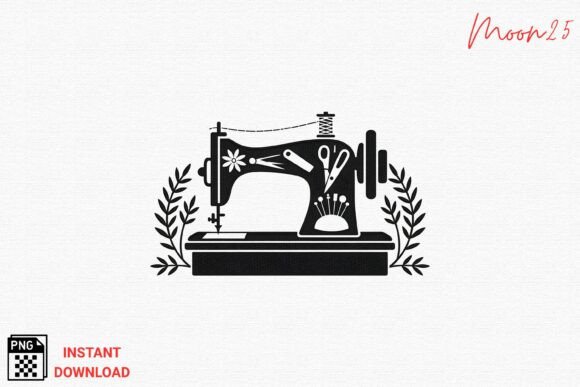
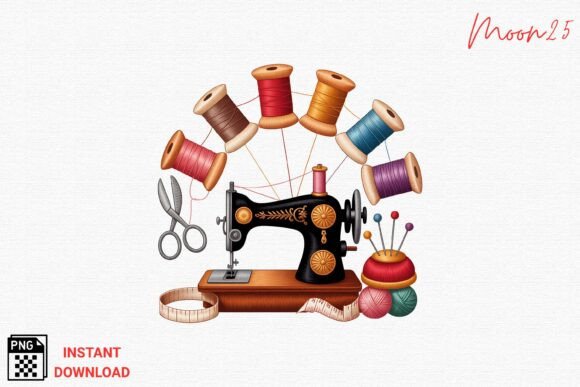
As an embroidery designer who’s digitized and stitched thousands of logos for cafés, boutiques, florists, pet brands, and handmade studios, I approach every machine embroidery design with two questions: “Does it tell the brand’s story?” and “Will it hold up in production?” When I first saw the Vintage Sewing Set Embroidery PNG, my instinct was immediate—this isn’t just decorative. It’s a narrative tool. The title alone—Celebrate creativity and craftsmanship—sets the tone. And the description confirms it: a classic sewing machine, surrounded by colorful spools and scissors. Visually, it reads as warm, intentional, and authentically handmade—not retro-fussy, not overly ornate, but rich with quiet confidence. It feels both elegant and approachable, which is rare. For small business owners building trust through authenticity, that duality is gold.
Where This Design Shines in Commercial Embroidery
The Vintage Sewing Set Embroidery PNG excels where branding meets utility. Think apron embroidery for a local bakery or floral studio—stitched boldly on the chest, it signals care, skill, and attention to detail. On staff uniforms for a craft supply shop or creative co-working space? It reinforces shared values without saying a word. As a woven or embroidered patch sewn onto tote bags, denim jackets, or canvas market sacks, it becomes a tactile signature—ideal for Etsy sellers packaging handmade product or gifting branded swag at pop-ups. Cap embroidery works well too, especially on structured cotton twill or unstructured chino caps—the central sewing machine anchors the composition, while the spools and scissors add lively rhythm without overwhelming the front panel.
For boutique merchandise, this design bridges function and feeling. A small version stitched near the hem of a linen tea towel? Perfect. Embroidered subtly on the sleeve cuff of a work shirt for a textile studio? Thoughtful and memorable. Even as a product label accent—say, stitched beside a “Handmade in [City]” tag on a ceramic mug sleeve or reusable produce bag—it elevates perceived value. Because it’s rooted in craft tradition but rendered cleanly, it avoids looking dated. Instead, it reads as timelessly professional—a subtle differentiator in crowded markets like handmade goods, local retail, or artisanal food service.
Use With Intention: Where to Pause and Plan
That said, real-world embroidery demands realism. The Vintage Sewing Set Embroidery PNG includes multiple delicate elements—a detailed sewing machine silhouette, fine scissor outlines, and individual thread spools. That richness is a strength—until you shrink it. For patches under 2 inches tall or cap fronts with tight curvature, test stitch density early. Overly dense fills in small areas can cause puckering on lightweight fabrics or stiffen flexible materials like twill or brushed cotton. On dark uniforms (navy, charcoal, black), verify thread color contrast—especially for thin outlines or light-colored spool highlights. If your fabric has heavy texture—like burlap, thick canvas, or looped terry—consider simplifying or re-digitizing key outlines for clarity.
Also note: because the design leans into visual storytelling, it benefits from breathing room. Avoid cramming it into narrow spaces—like narrow belt loops or tiny pocket flaps—where spacing collapses and details blur. And if you’re planning frequent washing (think café aprons or dog-walking service shirts), confirm stabilizer choice matches both fabric weight and stitch count. A medium-weight cutaway works best for long-term durability here, especially around the machine’s base and scissor handles where tension concentrates.
How It Strengthens Brand Identity and Customer Trust
In today’s market, customers don’t just buy products—they invest in alignment. A café embroidering the Vintage Sewing Set Embroidery PNG on barista aprons tells guests: “We value process, precision, and the human hand.” A florist using it on tote bags signals thoughtfulness—not just in arrangement, but in presentation and sustainability. That resonance builds recognition faster than generic logos. Because it’s inherently craft-coded, it also boosts credibility for handmade product lines, Etsy shops, or local makerspaces. It doesn’t shout; it invites. And when repeated across touchpoints—caps, totes, packaging accents, even printable mockups for social media—it creates visual consistency without rigidity. That consistency breeds familiarity, and familiarity builds trust.
Practical Notes Every Embroidery Designer (and Small Business Owner) Should Follow
- Always test in black and white first. Monochrome reveals balance, spacing, and legibility before color decisions muddy the read.
- Check small-scale performance. Resize the Vintage Sewing Set Embroidery PNG to your target patch size (e.g., 1.75" wide) and inspect how spools and scissor tips hold shape.
- Review thread color contrast on your actual fabric. Swatch three options: high-contrast (white on navy), tonal (cream on oat), and vibrant (teal spools on mustard canvas).
- Inspect spacing between elements. Tight gaps between spools and machine body may fill in during stitching—adjust manually if needed.
- Confirm hoop size compatibility. Ensure your embroidery file fits within standard hoops used for caps, totes, or apparel panels.
- Test on real fabric—not just stabilizer. Stitch a sample on your final substrate to assess drape, stiffness, and wash resilience.
- Create a client-approved mockup. Use the Vintage Sewing Set Embroidery PNG in a realistic digital preview—on a cap, apron, or tote—to align expectations before production.
- Compare alongside other design assets. Does it harmonize with your logo, typography, and brand palette—or does it compete?
- Verify commercial licensing. Since this falls under Graphics and Crafts, confirm usage rights cover commercial embroidery, branded merchandise, and digital embroidery file distribution if reselling kits or bundles.
Bottom line: the Vintage Sewing Set Embroidery PNG isn’t just another digital embroidery file. It’s a versatile, emotionally intelligent asset for small businesses building identity through craft. Used intentionally—with attention to scale, fabric, and context—it transforms everyday items into meaningful brand moments. Whether you're launching your first line of aprons or refreshing staff uniforms for a decade-old studio, this design earns its place in your design assets. Just remember: great embroidery starts with smart review—not just beautiful files.