Retro 80s Abstract Geometric Shapes
First Impressions: Bold, Playful, and Instantly Recognizable
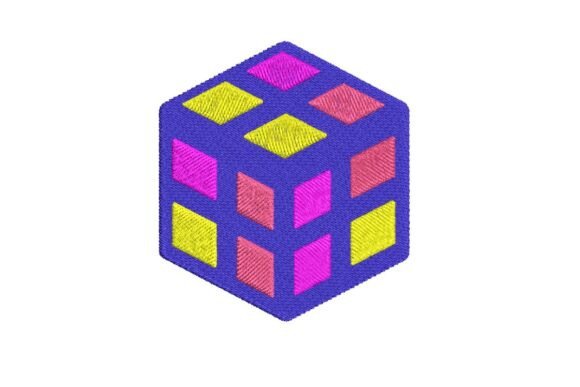
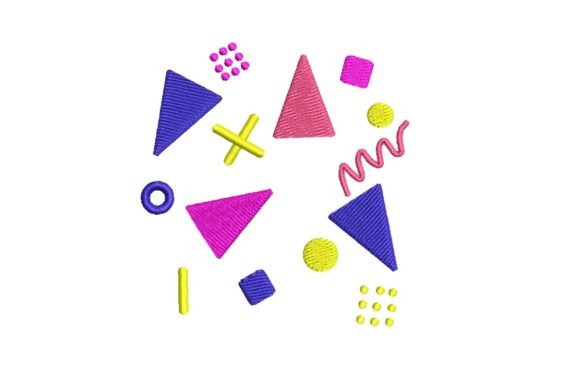
When I opened the Retro 80s Abstract Geometric Shapes Embroidery Design, my first thought wasn’t “cute” or “trendy”—it was “yes, this has presence.” Inspired by the Memphis design movement, it’s a confident scattering of zigzags, overlapping circles, asymmetrical polygons, and off-kilter grids—not random, but deliberately unbalanced in the best possible way. There’s no central motif or focal point; instead, the energy moves across the composition like a vinyl record skipping with intention. It feels handmade without looking amateurish, nostalgic without leaning into kitsch. For a machine embroidery design, that balance is rare—and valuable.
A Real-World Test: Stitching It on a Linen-Cotton Tote Bag
Last week, I used the Retro 80s Abstract Geometric Shapes Embroidery Design on a natural linen-cotton blend tote for a local boutique’s summer launch. Why this fabric? Because it’s common in small-shop merchandise—breathable, textured, and popular for eco-conscious branding. I chose a medium hoop size and paired it with lightweight cutaway stabilizer. The result? Crisp edges on satin-stitched outlines, clean fill stitch transitions, and zero puckering—even where shapes overlapped at tight angles. Customers responded immediately: “It looks like art, not embroidery.” That’s the sign of a design that holds its own as a finished product, not just a decorative accent.
Where This Design Shines (and Where It Asks for Thought)
The Retro 80s Abstract Geometric Shapes Embroidery Design thrives on surfaces with visual breathing room. It works beautifully on:
- Tote bags and pillow covers — large, flat areas let the geometry breathe and invite closer inspection
- Sweatshirts and aprons — the bold lines read clearly even at arm’s length, reinforcing brand personality
- Embroidered patches — its self-contained layout and strong outer shape make it ideal for iron-on or sew-on applications
- Holiday and wedding gifts — think modern baby blankets or minimalist kitchen towels where “vintage-futurist” charm stands out from typical motifs
But it’s not universally forgiving. Avoid using it on:
- Curved surfaces like caps or beanies—tight curves distort angular geometry and blur stitch definition
- Fine or stretchy knits (like jersey t-shirts) without heavy stabilization—the design’s density can overwhelm thin fabric
- Dark fabrics with low-contrast thread choices—the subtle layering of shapes relies on tonal distinction
- Products meant for frequent washing (e.g., baby onesies)—check stitch density first; dense fills hold up better than delicate running-stitch accents over time
What It Does for Your Craft Business—Beyond Aesthetics
As an Etsy seller and small shop product developer, I pay attention to how a design affects buyer trust and perceived value. The Retro 80s Abstract Geometric Shapes Embroidery Design elevates a handmade product instantly—not because it’s flashy, but because it signals intentionality. Customers recognize Memphis-inspired work as design-forward, which helps justify premium pricing for custom apparel or boutique merchandise. It also photographs well across digital platforms: clean lines translate reliably in printable mockups, and the lack of tiny text or micro-details means it scales smoothly from Instagram thumbnails to physical product tags.
That said, it doesn’t suit every brand voice. If your shop leans rustic, botanical, or minimalist monochrome, this design may feel tonally dissonant. But for makers building a vibrant, contemporary identity—especially those selling to Gen X parents, design-savvy millennials, or creative professionals—it’s a standout asset in your design assets library.
Practical Designer Notes Before You Stitch
Before committing to a client project or production run with the Retro 80s Abstract Geometric Shapes Embroidery Design, here’s what I always do:
- Test on scrap fabric first—especially if you’re using textured or blended weaves. Linen, canvas, and midweight cotton behave differently under dense fill stitches.
- Review thread color contrast—this design uses shape relationships, not shading. High-contrast combos (e.g., neon pink on charcoal, cobalt on cream) maximize clarity.
- Check stitch density—not just for durability, but for drape. Overly dense fills can stiffen lightweight garments or reduce flexibility in embroidered patches.
- Confirm hoop size compatibility—some versions of this layout may push standard 4x4 or 5x7 boundaries. Measure before hooping.
- Inspect small corners and intersections—Memphis-style geometry often includes sharp internal angles. Make sure your machine handles them cleanly without skipped stitches.
- Test black-and-white mockups—if you’re listing on Etsy or preparing social media visuals, grayscale previews reveal whether shapes retain legibility without color cues.
- Use proper stabilizer—cutaway is safest for structured items; tear-away works for stable woven fabrics when minimal backing is preferred.
- Verify licensing terms—since this falls under Intricate Cuts, confirm whether commercial use is included if you plan to sell finished products or offer the embroidery file as part of a digital bundle.
Final Thought: Not Just a Trend—A Design That Endures
This isn’t another “throwaway 80s trend” embroidery file. The Retro 80s Abstract Geometric Shapes Embroidery Design taps into a design language that’s been reinterpreted for decades—from Ettore Sottsass to contemporary graphic designers—because its rules are flexible, its energy is infectious, and its structure is resilient. Used thoughtfully, it adds authenticity to custom apparel, distinction to small-shop merchandise, and quiet confidence to personalized gifts. Whether you’re stitching a one-off holiday towel or scaling up for a boutique’s seasonal collection, it rewards attention to detail—and returns it tenfold in visual impact.